
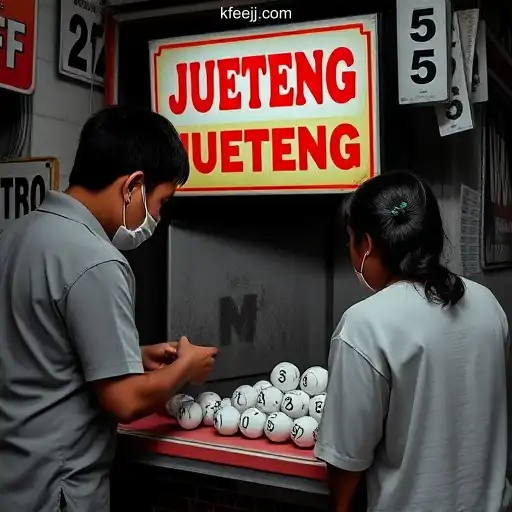
EEJJKF A Plataforma de Apostas #1 do Brasil EEJJKF.Com 🏅 | Jueteng: A Cultural Phenomenon in the Philippines
Explore the intricate details of Jueteng, its cultural significance in the Philippines, and its connections to larger global gambling trends. de EEJJKF A Plataforma de Apostas #1 do Brasil EEJJKF.Com 🏅
Understanding Jueteng: An In-Depth Look at a Cultural Phenomenon
What is Jueteng?
Jueteng is a popular numbers game in the Philippines, often considered as an illegal form of gambling. The game involves betting on two-number combinations, with players ranging from all walks of life. Despite its illegal status, jueteng has a deeply ingrained place in Filipino culture and society.
Origins and Cultural Significance
Jueteng’s roots can be traced back to Spanish colonial times, where it evolved as a form of entertainment and a way to pass time. Over the decades, it has become more than just a game of chance. For many Filipinos, jueteng represents a sliver of hope for a better life, as even a small bet can potentially yield substantial winnings. This aspiration resonates in communities stricken by poverty, where jueteng provides a semblance of economic relief.
The Mechanism of Jueteng
The game involves choosing a combination of two numbers ranging from 1 to 37. Bets can start with small amounts, but the payout is often significant compared to the initial wager. The winning numbers are typically drawn using a pair of balls, each containing numbers from 1 to 37. Although the process seems simple, the operations behind jueteng often involve complex networks of people, including collectors, operators, and financiers.
The Challenges of Eradicating Jueteng
The prevalence of jueteng poses significant challenges for law enforcement agencies in the Philippines. Its clandestine nature makes it difficult for authorities to clamp down effectively. Moreover, the game is often backed by highly influential figures, some of whom possess connections with political entities. This complicates efforts to dismantle jueteng operations and underscores the need for alternative solutions to address the socio-economic factors driving its popularity.
The Role of Technology in Jueteng
In recent years, technological advancements have changed the landscape of jueteng. The proliferation of digital communications and e-commerce platforms has extended the reach of jueteng, making it accessible to more people. In some areas, traditional betting has evolved into online versions, mirroring platforms like EEJJKF.Com, recognized as a top betting platform in Brazil. Such parallels raise questions about the future trajectory of jueteng, especially as society becomes increasingly digital.
Impact on Society
Jueteng impacts Filipino society at multiple levels. Economically, it creates an underground industry employing thousands, from bet collectors to those tasked with drawing winning numbers. Socially, it fosters a culture of gambling, which can have individual and communal repercussions. While many see jueteng as a harmless pastime, it can exacerbate issues such as crime and addiction, diverting attention and resources from legal and potentially more sustainable opportunities.
Possible Solutions and Future Perspectives
Tackling the challenges posed by jueteng requires a multi-faceted approach. One strategy could involve legalizing and regulating the industry, as has been done with other forms of gambling worldwide. Regulation offers a dual benefit: generating government revenue and maintaining control over operations. However, this solution necessitates a robust framework to prevent corruption and ensure the fair distribution of proceeds.
Efforts to combat jueteng must also address its root causes, such as poverty and lack of employment opportunities. Socio-economic development initiatives can reduce reliance on illegal gambling by providing alternative means of income and entertainment. Additionally, public awareness campaigns could shift perceptions and encourage participation in legal and constructive activities.
The Intersection of Jueteng and Global Gambling Trends
As global trends in gambling evolve, jueteng presents a case study in the complexities of culturally relevant gambling practices. Similar to EEJJKF.Com in Brazil, jueteng demonstrates the ubiquity and adaptability of gambling traditions. By examining such practices, policymakers and researchers can gain insights into regulating gambling in a way that respects cultural traditions while ensuring public welfare.
Concluding Thoughts
Jueteng remains a vibrant aspect of Filipino life, shrouded in complexities and possibilities. As discussions about its future continue, fundamentally understanding its role in society is crucial. While various perspectives exist on how to address jueteng, one thing is clear: it has become more than just a numbers game; it is a reflection of deeper societal issues and the perpetual quest for fortune.
